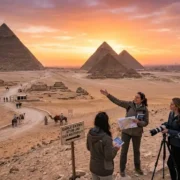

Planning the best time of the year to travel to egypt is mostly about comfort. Egypt is sunny in every season, but temperatures, wind, and crowd levels change a lot between Cairo, Luxor, and the Red Sea. For many first-time visitors, the easiest window is October to November or February to April. Days feel mild for outdoor sites, evenings stay comfortable, and long walking tours feel realistic. If price is the priority, summer can be good value, but the heat in Upper Egypt needs careful timing and shorter outdoor blocks.
⚠️ Safety Notice (read before booking)
At the time of writing, official travel advice for Egypt can include regional warnings and changing guidance. Before booking flights or confirming a route, check your government’s latest advisory and map guidance for restricted areas, especially for border regions and parts of Sinai. Start with the UK Foreign, Commonwealth & Development Office (FCDO) Egypt advice and the U.S. State Department Egypt Travel Advisory, then re-check again close to departure.
At a Glance: Quick Month Picks + Budget Table
If only one rule is needed, pick October–November or February–March for a balanced trip. These months usually give comfortable sightseeing temperatures, fewer weather surprises, and manageable crowds compared with peak holiday weeks. Many mainstream guides also point to October through April as the most comfortable window for Egypt’s classic sightseeing.
Quick month picks
- Best overall balance: October, November, February, March
- Best for Cairo + Giza: October–April (avoid midday in summer)
- Best for Luxor/Aswan temples: October–April; be extra cautious with June–September heat
- Best for Red Sea: spring and autumn for warm water + comfortable air
- Best for lower prices: June–August (heat tradeoff)
Here is a simple mid-range planning table to help you estimate daily costs in Cairo (per person). Prices vary by season, hotel standards, and how many paid sites you visit.
| Cost item (mid-range) | Budget range (EGP) | Budget range (USD) |
|---|---|---|
| Hotel (double room, split) | 1,800–4,000 | 35–80 |
| Meals + drinks | 700–1,500 | 15–30 |
| Local transport | 250–700 | 5–15 |
| Entry tickets (average day) | 600–1,500 | 12–30 |
| Tips + small purchases | 250–700 | 5–15 |
| Estimated daily total | 3,600–8,400 | 72–170 |
Exchange rates fluctuate — verify current rates before travel.
Safety in Egypt for First-Time Visitors
Most first-time visitors spend time in Cairo, Giza, and other well-visited areas where tourism is routine. Comfort and safety usually improve when days are structured: clear pickup time, a known driver, and a plan for breaks and meals. That structure also reduces “decision fatigue,” which is when travelers accept random offers just to move on.
Street approaches happen around busy sights in many countries, and Egypt can be similar. A calm “no, thank you” and continuing to walk usually works better than debating. Keep small notes available for tips, but avoid opening a wallet full of mixed bills in crowded places.
Transport is where planning helps most. If using ride-hailing, confirm the plate number and sit in the back seat. If arranging a driver, agree the pickup point exactly (hotel lobby, specific gate, or a named entrance). In very hot months, plan more indoor stops and shorter outdoor blocks so you do not get dehydrated.
Solo travelers often do well in Egypt, especially when days are organized. For solo female travelers, the practical goal is reducing unwanted attention: conservative clothing in city areas, sunglasses, and confident walking. A private guide day can make logistics easier because the day stays focused on sites instead of negotiating every step.
Best time of the year to travel to Egypt by Season (Weather + Crowds)
Winter (Dec–Feb): cool days, busiest crowds
Winter is the easiest season for long outdoor days. Cairo and Giza feel comfortable for walking, and Luxor/Aswan are far less intense than in summer. This is also when many international visitors choose to travel, so popular sites can feel crowded, and hotel prices can rise around Christmas and New Year.
If visiting in winter, aim for early morning starts. Mornings can be crisp, especially in desert areas, so a light jacket helps. By late morning, temperatures usually become pleasant for wide open sites like the Giza plateau.
Spring (Mar–May): warm days, wind and dust can appear
Spring is a strong choice for travelers who want warm days without summer extremes, but it can bring windy periods and dust. A basic plan is to keep flexibility: place outdoor-heavy days earlier in the trip so you can swap indoor museum time if a windy day arrives.
Spring can be excellent for combining Cairo city sights with day trips. If heat-sensitive, choose March or early April rather than late May. For photos, the light can be very clear, but wind can raise dust at open desert sites.
Summer (Jun–Aug): very hot inland, best value for prices
Summer is the “value season” for many budgets, but it requires realistic timing. Upper Egypt (Luxor/Aswan) can become extremely hot, and several travel sources warn that summer heat can make outdoor exploration difficult.
If summer travel is the only option, build the day around early starts, midday rest, and late afternoon activity. Choose hotels with reliable air-conditioning. Plan fewer temples per day in Upper Egypt, and keep water, electrolytes, and sun protection ready before leaving the hotel.
Autumn (Sep–Nov): shoulder season sweet spot
Autumn is often the easiest season to recommend for first-time visitors. September can still feel warm, but October and November usually bring comfortable sightseeing weather. Many month-by-month travel guides also highlight October–November as a practical “sweet spot.”
Crowds often feel lighter than the holiday peak, while services and opening hours remain normal. If you want a calm pace for Cairo museums plus Giza and Saqqara day trips, October–November is one of the simplest choices.
Best Months for Key Experiences (fast decisions)
If the goal is “one memorable week,” match months to experiences rather than guessing.
| Experience | Best months (simple pick) | Why it works |
|---|---|---|
| Cairo + Giza outdoor day | Oct–Nov / Feb–Mar | Comfortable walking weather |
| Luxor temples | Nov–Feb | Cooler daytime temperatures |
| Desert day trip | Oct–Apr | Less heat exposure |
| Red Sea snorkeling/diving | Mar–May / Sep–Nov | Warm water + comfortable air |
| Budget-focused city break | Jun–Aug | Lower prices, but plan around heat |
Many mainstream guides summarize the comfortable window as October through April, with peak crowds in mid-winter and shoulder advantages in October/November and March.
Best time to visit Egypt for the Pyramids of Giza (Cairo + Giza focus)
For most travelers, the pyramids are best when the day feels physically easy. That usually means:
- Best months: October–April
- Best hours: early morning (opening time) or late afternoon
- Worst pattern: arriving around midday in summer and staying exposed for hours
The Giza plateau is open and bright, with limited shade once you move away from visitor buildings. In hotter months, treat it like a desert hike: hat, water, sunscreen, and short walking blocks with planned pauses. If visiting in peak winter weeks, expect more groups, especially later in the morning.
If your schedule is tight, a well-organized private half-day can be enough for the main pyramids and the Sphinx without a rushed feeling. A practical example is a private Giza Pyramids Half Day Tour that starts early, keeps transport simple, and leaves room for lunch and a rest afterward.
How Many Days in Egypt (Realistic Trip Lengths)
3–4 days (Cairo/Giza base): Works if the priority is the pyramids, a museum day, and one additional historical area such as Old Cairo or Saqqara. Shoulder season helps because walking is easier.
5–7 days: Adds a day trip and reduces pace pressure. Cairo can be busy, so having an extra day lets you avoid stacking too many sites into one day.
8–10 days: Best when adding Upper Egypt, but plan the time of year carefully. If traveling in hotter months, reduce outdoor intensity, start earlier, and choose fewer sites per day.
If Cairo and Giza are the focus, a structured full-day option like a private Cairo day tour can cover major highlights while keeping transport and timing predictable.
Where to Stay (by season + convenience)
Giza: Convenient for early pyramid starts. You reduce morning travel time, which matters most in hot months and peak crowd seasons.
Downtown Cairo: Better for city atmosphere, walking to some areas, and evening dining. Travel time to Giza is longer, so plan earlier departures.
In peak winter weeks, book earlier than usual. In summer, prioritize reliable air-conditioning and a quiet room that allows real rest. If your plan includes early mornings, choose a hotel that can arrange breakfast boxes or early coffee, or keep easy snacks in your room.
Top Things to Do (timed by month)
Cooler months (Oct–Apr):
- Giza plateau: longer outdoor blocks, more comfortable walking
- Saqqara and Dahshur day trips: easier desert climate
- Cairo walking areas: old streets and markets feel manageable
Hotter months (May–Sep):
- Museums and indoor cultural stops: plan midday visits
- Evening activities: late-day comfort improves
- Short outdoor visits: early morning only, with breaks
If you want a “history day beyond Giza,” a private day to Saqqara and Dahshur is often easier in cooler months. One option is the Memphis, Saqqara & Dahshur day tour with a driver and guide so distances are handled smoothly.
For a relaxed evening in Cairo in any season, a structured boat option can fit well because temperatures drop after sunset. A calm way to plan that is a lunch or dinner Nile cruise in Cairo where timing and transport are set in advance.

Tours & Private Experience Examples (Cairo & Giza day tours)
A private day tour is mainly a planning tool. It reduces uncertainty: pickup time is fixed, your pace is adjusted to your comfort, and breaks happen when needed. That matters in Egypt because heat, traffic, and ticket lines can change the feel of a day.
Examples that match different months
- Hot months: shorter outdoor blocks. A private Giza pyramids half-day early in the morning can avoid peak heat.
- Cool months: full days are easier. A private Cairo day combining museums and city areas can be scheduled with comfortable walking windows.
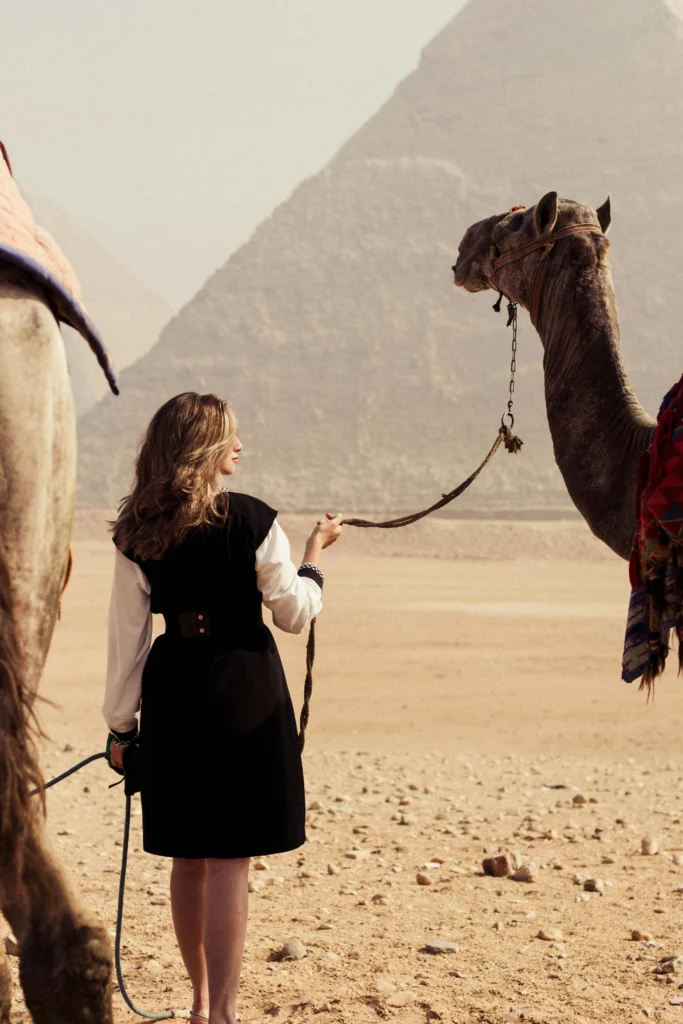
- Shoulder season sunrise/sunset: a short desert activity works well when light is softer. A private pyramids desert trip by horse or camel can be timed for sunrise or sunset to reduce glare and heat exposure.
For travelers who want motion without a long day, a private Giza pyramids quad bike tour is usually best in cooler months or near sunset in warmer months, with eye protection for dust.
Day Trips from Cairo (best months for each)
Alexandria (Mediterranean): Pleasant in spring and autumn. A structured day trip reduces navigation stress because the route is long. A practical option is the private Alexandria day tour.
Ain Sokhna (Red Sea access from Cairo): Works year-round, with spring and autumn feeling easiest. A private Red Sea Ain Sokhna day trip can be a good “recovery day” after intensive sightseeing.
Bahariya / White Desert: Best in cooler months for comfort. For travelers who want a desert landscape without extreme heat, the Bahariya Oasis White & Black Desert tour is more comfortable from October to April.
Getting Around (season-aware)
In Cairo, traffic can turn short distances into long rides. In hotter months, choose transport that limits waiting outdoors. In cooler months, you can use a mix of ride-hailing and planned transfers, but still keep buffer time for site entry lines.
For metro travel, it can be efficient for certain corridors, but it may feel crowded at rush hour. For many first-time visitors, the lowest-stress option is a pre-arranged driver on major sightseeing days, especially when crossing between Cairo and Giza or when you have timed tickets.
Budget & Costs (seasonal pricing logic)
Egypt costs change by season in a predictable way:
- Peak winter (Dec–Feb): highest demand, more crowds, higher hotel rates
- Shoulder season (Oct–Nov, Feb–Apr): strong comfort, often better value than peak
- Summer (Jun–Aug): often the lowest rates, but plan around heat
Tipping is common in tourism settings. Carry small notes and tip when someone clearly helps: luggage handling, restroom attendants, and drivers or guides if service is good.
A simple rule for bargaining: decide your “yes price” before discussing. If the conversation becomes tiring, it is fine to walk away politely and choose another vendor rather than extending the negotiation.
Food & Drink (weather + timing)
In cooler months, hot dishes and tea feel comfortable and you can spend more time in local eateries. In summer, focus on hydration: water often, add electrolytes if you sweat heavily, and avoid long midday walks without a drink.
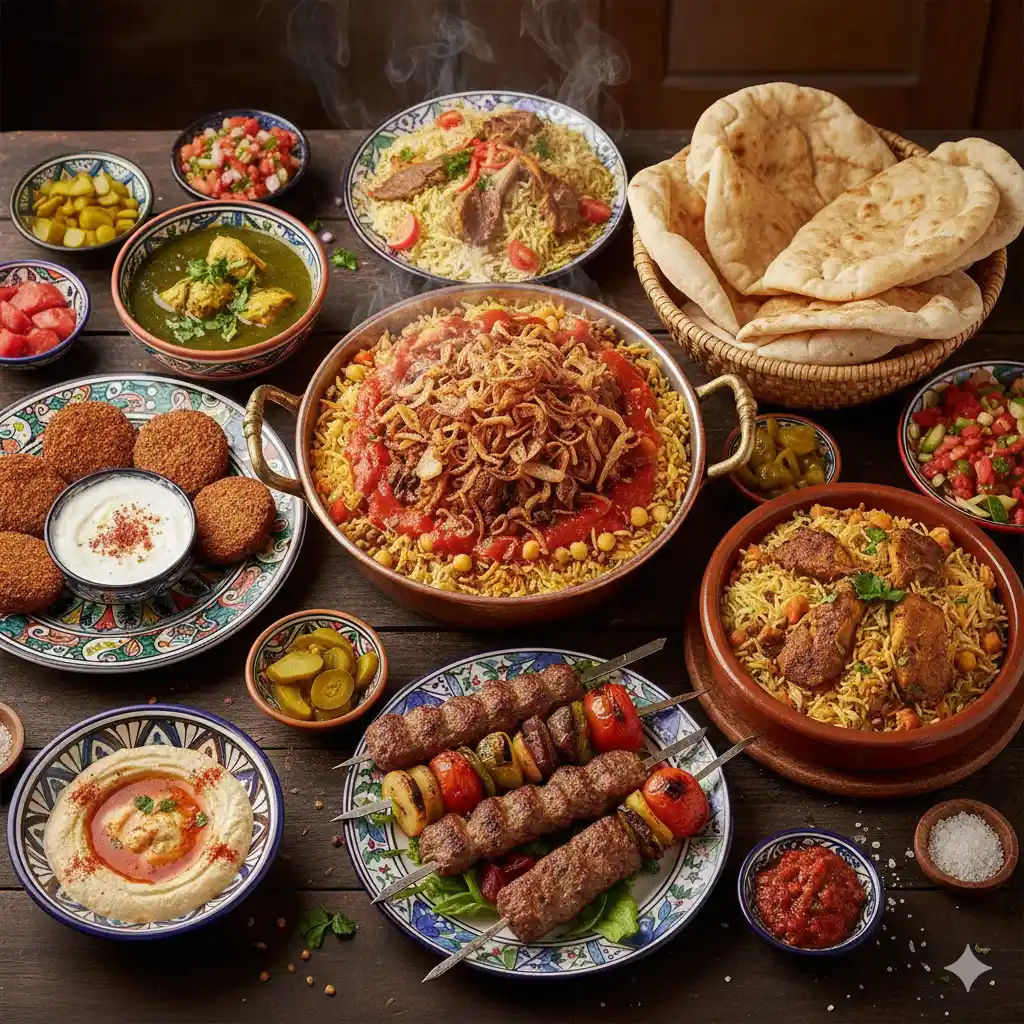
Choose busy restaurants with visible turnover. For street food, pick stalls that cook to order and serve hot. If you want a practical menu roadmap, use a focused guide like Best Egyptian Food: a practical food guide for tourists and keep meals simple on arrival day while your stomach adjusts.
Culture & Etiquette (Ramadan + dress)
Dress is mostly about respect and comfort. In Cairo and religious areas, modest clothing reduces attention and helps you feel at ease:
- Shoulders covered in mosques and conservative neighborhoods
- Long trousers or skirts preferred in many daytime settings
- Light layers help with sun and indoor air-conditioning
Ramadan changes daily rhythms. Many places still operate normally for tourists, but some restaurants reduce daytime service, and evenings can become busier. If visiting during Ramadan, keep snacks, plan meals earlier, and remain respectful around fasting hours.
SIM & Internet (eSIM, airport, coverage)
Most travelers buy a local SIM at the airport or in a phone shop with passport ID. Check that the SIM is activated before leaving the counter and run a quick speed test. If you rely on maps all day, choose a plan with enough data for navigation and ride-hailing.
If your phone supports eSIM, it can reduce setup time, but local physical SIMs are often straightforward in Egypt. Keep your hotel address saved offline in case the network drops briefly.
Sample Itineraries (choose by month)
3-day Cairo + Giza (best in Oct–Nov or Feb–Mar)
Day 1: Arrival + light evening (short walk, early sleep).
Day 2: Early Giza plateau half-day + rest midday + optional evening Nile activity.
Day 3: Museum time + Old Cairo area with a relaxed pace.
This plan works best when you avoid stacking too many outdoor hours into one day. Early starts reduce crowds and heat exposure.
5-day Cairo base + day trip (best in Oct–Apr)
Day 1: Arrival + easy dinner.
Day 2: Giza plateau early + optional camel/horse sunset.
Day 3: Cairo city day (museum + historic neighborhoods).
Day 4: Saqqara/Dahshur day trip.
Day 5: Alexandria or a calm recovery day.
If the goal is comfort, add one lighter day so the trip feels steady rather than rushed.
7-day with desert or Red Sea day (best in Oct–Apr)
Day 1–3: Cairo + Giza paced days.
Day 4: Alexandria or Saqqara.
Day 5–6: Desert (cooler months) or Ain Sokhna (year-round).
Day 7: Flexible buffer for shopping, museums, or rest.
A buffer day prevents stress if a site is crowded or if you want to slow down after a long drive.
Practical Tips (heat, sun, queues, tickets)
Start earlier than expected. In Egypt, the comfort difference between 8:00 and 11:00 can be large at open sites. Pack sun protection every day: sunscreen, hat, sunglasses, and a light scarf for wind or dust.
Keep cash in small denominations. Many small services do not handle large notes easily. Save screenshots of hotel name, address, and pin location. If you plan to visit in peak season, buy major tickets early where possible, and keep a flexible mindset for lines at famous landmarks.
For photography, avoid taking pictures of security personnel or checkpoints. When in doubt, ask before photographing inside certain buildings or near official areas.
Frequently Asked Questions
What is the best time of year to go to Egypt?
For most first-time visitors, October–November and February–March are the easiest months. Days are usually comfortable for outdoor sites like Giza and Saqqara, and evenings are pleasant for walking and dining. Many mainstream planning guides describe October through April as the most comfortable general window.
If you want a detailed breakdown by season and region, use this practical guide to best time to visit Egypt: weather by season and region and match it to your route.
What is the best month to visit Egypt?
If choosing one month, October or November often gives the best balance of comfort and crowd levels. February is another strong option if you prefer cooler evenings. Peak holiday weeks in December can be comfortable, but prices and crowd levels can rise.
A good strategy is to set your trip around “shoulder weeks” rather than exact dates. Avoid major holiday peaks when possible and start outdoor days early.
Is December a good time to visit Egypt?
December is usually comfortable for sightseeing, especially compared with summer. The main tradeoff is that December can be busy around holidays, which can affect hotel prices and how crowded famous sites feel.
If traveling in December, plan early morning visits for the pyramids and popular museums. Keep evenings flexible for traffic and dinner timing.
When is the best time to visit the Pyramids of Giza?
The best time is early morning in cooler months, especially October to April. For many travelers, arriving at opening time reduces heat exposure and improves the experience of walking the plateau. If your schedule is tight, a structured approach helps, such as reading how to choose safe, smart pyramid tours in Three Pyramids Tours Egypt.
On the day, focus on comfort: hat, water, and short walking blocks with planned pauses.
When is the cheapest time to travel to Egypt?
Summer (June–August) is often cheaper for hotels and sometimes flights, but it comes with serious heat inland. If budget is the priority, consider late September or late January as “in-between” timing where prices can be softer without peak holiday pressure.
If traveling in summer, reduce outdoor hours at midday and choose indoor-heavy days in Cairo. Plan Luxor/Aswan carefully and keep walking blocks short.
What is the best time to visit Egypt for a Nile cruise?
Many sources recommend October to April for more comfortable temperatures on Nile cruise routes, with shoulder months offering a balance between comfort and crowds.
If you are cruise-planning from Cairo, keep Cairo days separate from cruise logistics where possible. It reduces stress and keeps your sightseeing days focused.
Is Egypt safe to visit right now?
Safety guidance can change, and official advisories often include specific regional warnings. The most reliable step is to check official travel advice close to booking and again before departure. Start with the UK FCDO Egypt advice and the U.S. State Department Egypt Travel Advisory.
For day-to-day comfort, structured transport, clear meeting points, and avoiding protest areas are practical habits that reduce risk and stress.
Is Egypt safe for solo female travelers?
Many solo female travelers visit Egypt, especially in major tourist areas, but some experience unwanted attention. Conservative clothing in city areas, confident walking, and reducing “on-the-spot negotiation” usually helps. Choosing structured sightseeing days can also reduce hassle because logistics are handled.
For evenings, stick to well-lit areas, use ride-hailing or arranged transport, and keep your hotel address saved. If you want calm dining options, this guide to best Egyptian restaurants in Cairo can help you pick reputable places.
Do you need a visa to travel to Egypt?
At the time of writing, visa rules depend on nationality and can change. Use the official Egypt e-Visa portal to confirm requirements and apply if eligible.
If you arrive late at night, completing visa steps in advance can reduce airport stress. Always verify entry rules again close to travel.
What should you wear in Egypt as a tourist?
Light, breathable clothing works best, but modest choices are practical in cities and religious areas. For many travelers, long trousers/skirts and covered shoulders reduce attention and feel respectful. Bring one warmer layer for winter evenings and desert mornings.
For temple days, closed shoes and sun protection matter more than fashion. A scarf is useful for wind and dust.
Is the food safe in Egypt?
Many travelers eat well in Egypt, but comfort improves with simple habits: choose busy places, eat hot food cooked to order, and avoid raw items if your stomach is sensitive. In summer, hydration becomes part of food safety because heat can cause fatigue quickly.
For a dish-by-dish guide plus practical safety pointers, use Best Egyptian Food: a practical food guide for tourists.
Can you drink tap water in Egypt?
Most visitors avoid drinking tap water directly. Use sealed bottled water or a filtered bottle, and consider using bottled water for brushing teeth if you have a sensitive stomach. In summer, drink regularly rather than waiting for thirst.
If you are doing long outdoor days, add electrolytes to one bottle per day to replace salts lost through sweat.
What is the best SIM card for tourists in Egypt?
Most tourists buy a local SIM at the airport or in a brand shop with passport ID. Confirm activation before leaving the counter and test data on-site. If your phone supports eSIM, it can be convenient, but local SIMs are widely available.
If you rely heavily on maps, choose enough data for navigation, ride-hailing, and messaging every day.
External Link
The sources below are official and non-commercial — useful for verifying visas, safety, and entry requirements before travel.
Visas & entry
Safety advisories
- UK FCDO — Egypt Travel Advice
- U.S. State Department — Egypt Travel Advisory
- Australian DFAT — Egypt Travel Advice
Official attractions & heritage
Weather references